


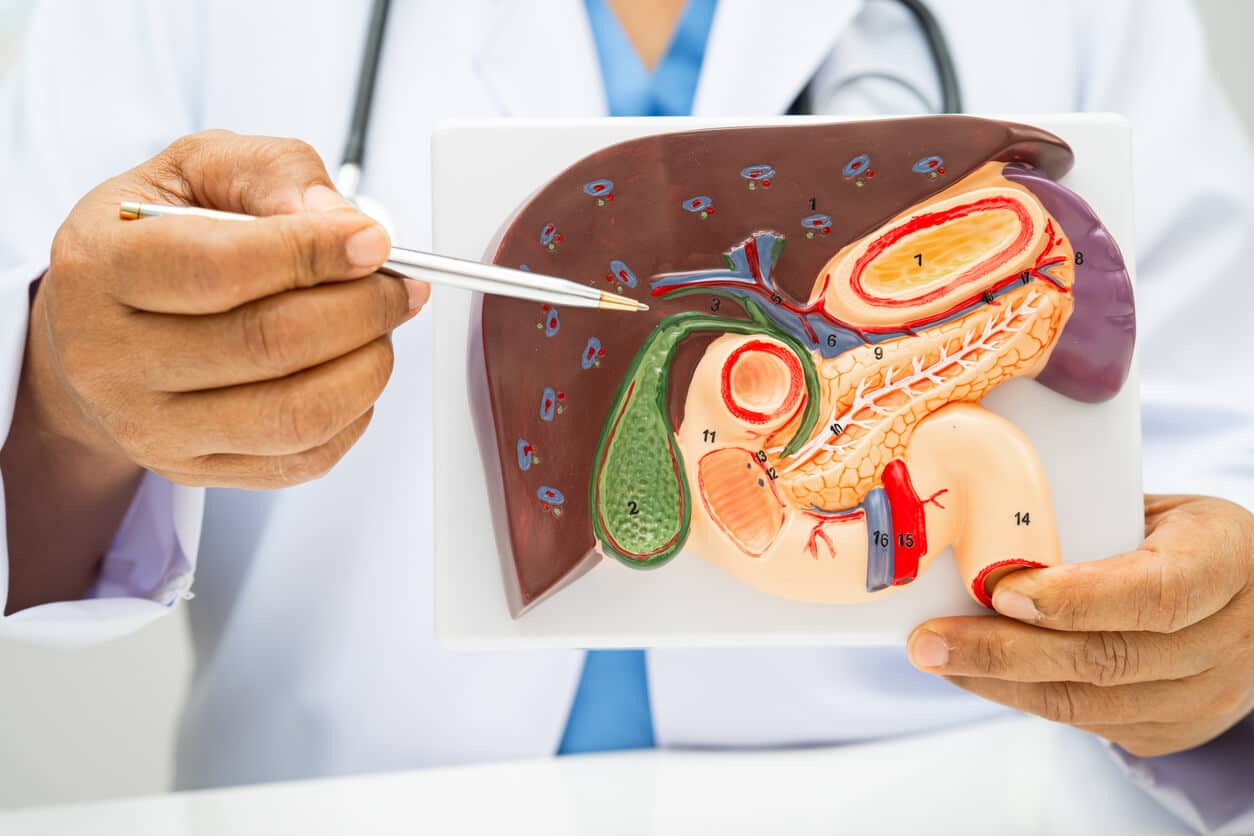
A gallbladder specialist is a physician who focuses on the diagnosis and treatment of conditions affecting the gallbladder, a small organ that stores bile. When gallstones form, these hardened deposits of digestive fluid can block ducts and cause pain, so a specialist examines each case to identify the cause. Patients are often referred to this expert after an ultrasound confirms the presence of stones. The specialist then reviews medical history, evaluates symptoms, and outlines a plan based on the findings.
Symptoms Management
Since gallstones produce a range of symptoms, a gallbladder specialist often begins by classifying them according to severity. Mild cases may involve brief discomfort after meals, while severe cases bring sharp pain in the upper abdomen. The specialist documents the frequency and duration of each episode, and this record guides the next stage of care.
Pain that lasts several hours can signal a blocked duct, and the specialist monitors for warning signs such as fever, nausea, or yellowing of the skin. A simple physical exam helps locate the source of tenderness. While a physical exam can point in the right direction, a blood test is sometimes ordered to check liver function and detect infection. Tracking these indicators allows the specialist to decide whether observation or intervention is needed.
Treatment Options
Treatment depends on the size, number, and location of the stones, and the specialist selects an approach that matches the clinical picture. Small stones without symptoms may only require regular monitoring, while larger stones that cause repeated pain often call for a more direct response. The specialist can explain the risks and limits of each path before moving forward.
Surgery to remove the gallbladder, known as cholecystectomy, is the most common procedure for recurring gallstone problems. The operation is performed through small incisions, which reduces recovery time compared with open surgery. Some patients receive medication that dissolves cholesterol stones over several months, though this method works slowly and suits only certain stone types. The specialist often weighs these factors against the patient’s overall health.
Dietary Recommendations
Diet plays a measurable part in gallstone formation, and the specialist often reviews eating habits during the consultation. A meal pattern high in saturated fat and refined sugar raises the concentration of cholesterol in bile. Reducing fried foods may lower the strain on the gallbladder, and increasing fiber is often helpful. The specialist suggests practical swaps that fit daily routines.
Fiber from whole grains, vegetables, and legumes supports steady digestion, so the specialist often recommends adding these foods gradually. Drinking enough water helps bile flow, so proper hydration should be prioritized. Maintaining a stable weight matters because rapid loss can trigger new stones. These adjustments can be framed as part of a broader management plan.
Visit a Gallbladder Specialist
Gallstones are often painful and deserve regular treatment, so early evaluation can give a physician more treatment options. Some demographic aspects can influence a person’s susceptibility to gallstones, and diet often plays a role. Because gallstones can cause severe discomfort, patients should evaluate treatment options. Contact a gallbladder specialist to schedule an evaluation.
