


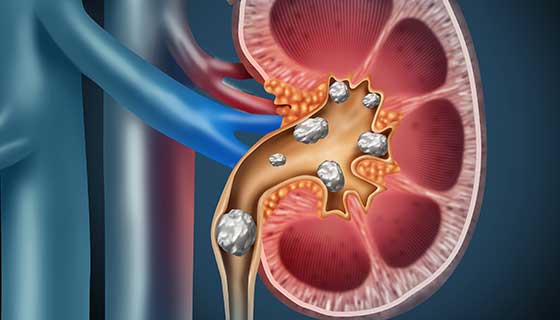
Many individuals experience kidney stones. These stones develop through several processes in the body, and they are more commonly reported in men. When you understand how they form, you put yourself in a better position to lower your risk. Here is information about how kidney stones form, along with ways to help prevent them:
Understanding the Formation Process
The kidneys filter waste products and excess fluid from the blood, producing urine that carries these substances out of the body. This urine contains minerals and compounds such as calcium, oxalate, and uric acid, and these substances contribute to crystal formation under certain conditions. When urine becomes overly concentrated and does not contain enough fluid for proper dilution, minerals begin forming small crystals. Over time, these crystals may combine and develop into larger, harder masses known as kidney stones. Some stones pass through the urinary system without symptoms, while others remain in the kidney or travel into the urinary tract.
Recognizing Contributing Risk Factors
Several factors increase the likelihood of kidney stone formation, and understanding them helps guide prevention efforts. Some risk factors cannot be changed, while others respond well to daily habits. Because prevention strategies work best when they address individual needs, identifying your personal risk factors helps you make informed choices. A personal or family history of kidney stones can increase your risk; low fluid intake is also a significant contributor because concentrated urine allows crystals to form more easily.
Diet impacts kidney stone risk as well. Several everyday factors deserve attention, including:
- Fluid intake: Drinking too little water leaves urine concentrated and increases crystal formation.
- Dietary sodium: High salt intake may increase the amount of calcium released by your kidneys.
- Animal protein: Large amounts of animal protein sometimes alter urine chemistry and encourage certain stone types.
- Oxalate-rich foods: Foods such as spinach, nuts, and some teas can increase oxalate levels.
Certain digestive conditions and medications may also influence kidney stone risk, although their effects vary. When you understand how these factors affect your body, you can create a more targeted prevention plan. Your healthcare provider helps you identify relevant risks and develop strategies that fit your needs.
Applying Practical Prevention Strategies
Many kidney stone prevention strategies fit into everyday routines; small, consistent changes can create a significant long-term impact. Because fluid balance plays a key role in kidney stone prevention, drink water regularly throughout the day instead of consuming large amounts at once. Increase your intake during heavy sweating or hot weather to replace lost fluids. Limiting sodium can also help, as high salt intake increases calcium levels in urine.
Monitor oxalate-rich foods and pair them with calcium-containing foods to support balanced absorption. Moderating animal protein intake may also promote healthier urine chemistry. Consistent daily habits support an effective prevention plan. Maintaining a healthy weight through regular activity also supports overall mineral balance. When routines change during travel or busy schedules, paying attention to hydration can help you maintain healthy habits.
Find Treatment for Kidney Stones
Kidney stones develop when minerals become concentrated and form crystals. Several factors can affect how likely this process is to occur, and understanding these influences helps guide prevention efforts. Because hydration, diet, and daily habits all play a role in kidney stone risk, maintaining consistent healthy choices reduces your risk over time. If stones do form, effective treatment options range from medication to shockwave therapy. For personalized guidance, consult a healthcare professional who can review your medical history and recommend appropriate next steps.
