


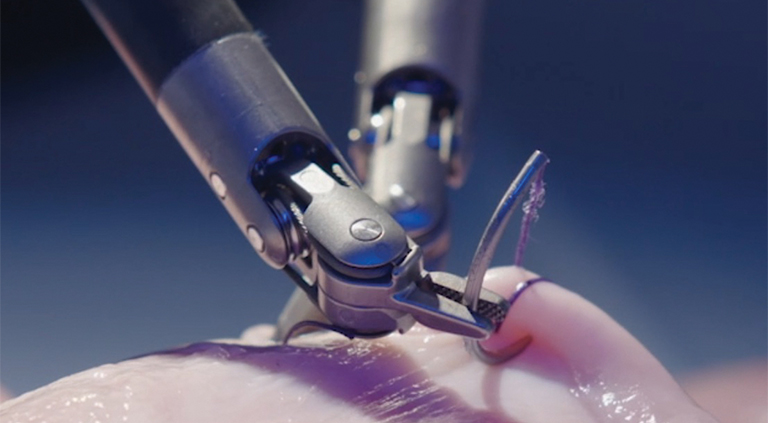
Robotic surgery uses computer-assisted systems to guide surgical instruments, and it can enhance precision. A surgeon controls the system from a nearby console, and every movement translates through robotic arms. Since these tools respond to precise hand and finger motions, they support delicate work in tight spaces. Here is more information on robotic surgery tools:
Robotic Instruments
Robotic instruments attach to slim arms that enter the body through small incisions. Each tool holds a specific function, and surgeons swap them during a procedure as needed. When a surgeon adjusts a control at the console, the instrument mirrors that motion inside the patient.
The instruments come in several forms. These are typical instruments used in robotic surgery procedures:
- Graspers that hold and move tissue
- Scissors for cutting
- Needle drivers for suturing
- Sealers that close small vessels
Each instrument tip is tiny. Surgeons select tools based on the procedure, and the system tracks each swap. Since the tips stay small, they fit through incisions that measure less than an inch.
Enhanced Precision
The system filters out natural hand tremors during an operation. A surgeon’s larger movements scale down to tiny, exact motions, and this scaling supports steady control. When precise placement matters, the technology reduces unintended shifts.
Precision affects several parts of a procedure. Surgeons work near nerves, vessels, and other structures that sit close together. Since the instruments move in fine increments, a surgeon can navigate narrow areas with measured steps. The console also locks certain motions to keep tools within a set boundary.
High-definition 3D Visualization
The console gives the surgeon a magnified, three-dimensional view of the surgical site. Cameras feed live images to a screen, and the depth perception helps the surgeon judge distances. Since the view magnifies tissue several times, small structures appear clear.
Surgeons rely on this view to plan each movement. These are features the visualization system typically includes:
- Enhanced magnification
- Adjustable camera angles
- Bright, focused lighting
The camera stays steady throughout the procedure. A surgeon can shift the view without moving the whole system, and the image updates in real time. When lighting or angle needs adjustment, the surgeon controls it directly from the console.
Increased Range of Motion
Robotic instruments bend and rotate beyond the limits of a human wrist. The joints near each tool tip pivot in multiple directions, and this flexibility supports work at difficult angles. When the tools rotate fully, surgeons reach areas that standard instruments cannot.
This range changes how surgeons approach tight spaces. A tool can turn around a structure rather than push against it. When a surgeon needs to suture at an angle, the wrist-like joint adjusts smoothly. The added motion helps during procedures in confined regions of the body.
Surgeons pair this range with the magnified view. Together, the two features let the surgeon move deliberately, and each adjustment stays under direct control. Since the instruments respond instantly, the surgeon maintains a consistent pace throughout the operation.
Schedule a Robotic Surgery Consultation
Robotic surgery may fit certain procedures, though your care team decides what suits your situation. A consultation gives you space to ask questions, and your surgeon reviews your medical history in detail. During the visit, you learn about the process and what to expect, so bring a list of your questions so the discussion stays focused. Contact a clinic today to schedule your consultation and talk with a surgeon about your care.
