


Patients experiencing foot or ankle pain benefit from seeking effective medical interventions to restore their mobility, and podiatrists offer multiple clinical approaches to address these localized musculoskeletal conditions. Shockwave therapy is a non-invasive procedure that utilizes acoustic waves to stimulate cellular repair in damaged foot and ankle tissues. Traditional podiatric treatments typically involve rest, custom orthotics, medication, or invasive surgical procedures. Shockwave applications may offer less tissue trauma for specific chronic musculoskeletal conditions, enabling a quicker recovery. Here is more information on shockwave therapy compared to traditional treatments:
What Is Shockwave Therapy?
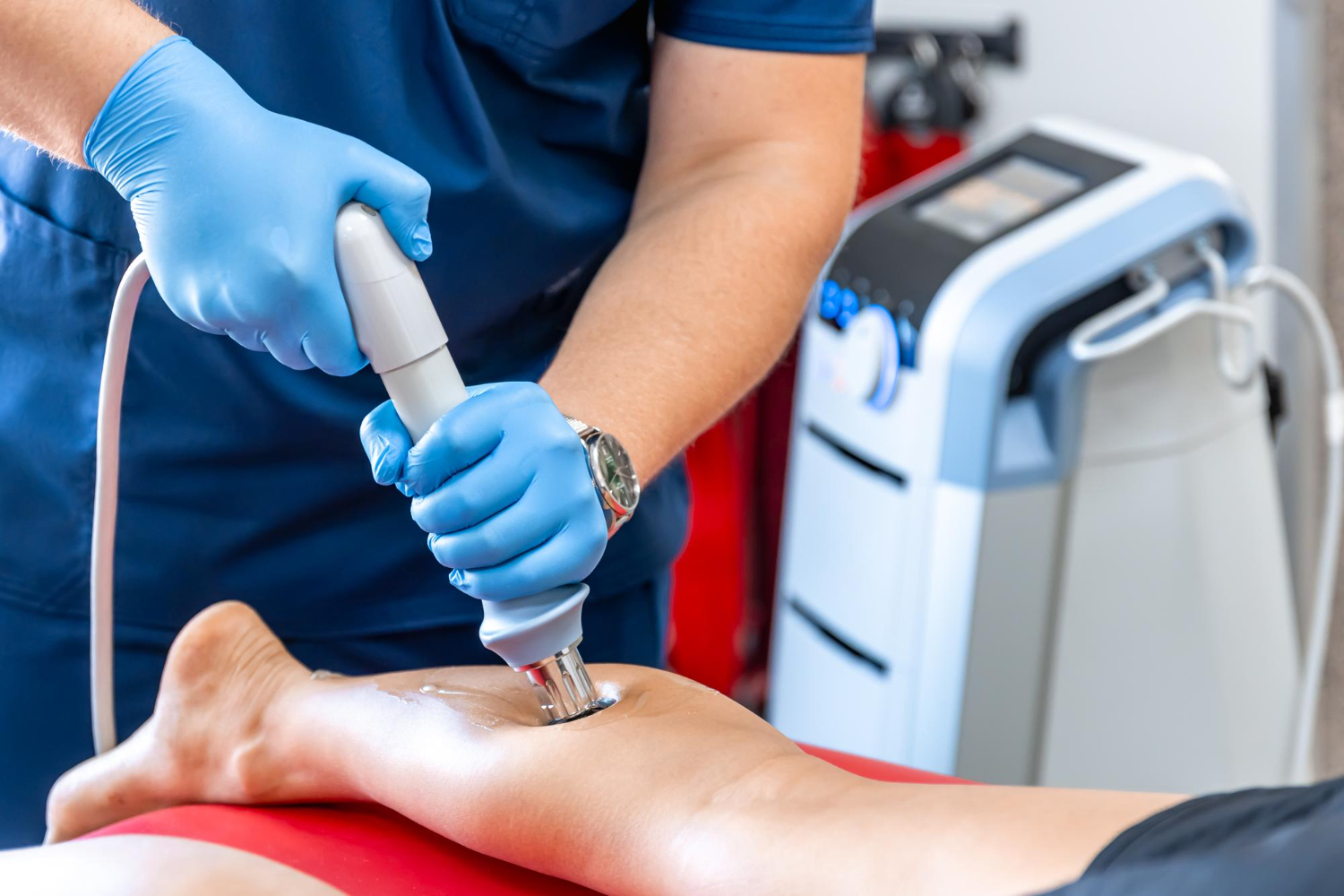
Shockwave therapy is a medical procedure utilizing acoustic waves to target damaged soft tissues. This non-invasive technique delivers high-energy sound pulses directly to the affected area, and practitioners adjust the mechanical intensity based on the specific injury. A handheld transducer rests against the epidermis to transmit these waves during the clinical session. Because the procedure requires no surgical incisions, patients avoid the extended recovery periods associated with operative interventions.
How Does It Work?
The mechanical energy of the sound pulses induces localized microtrauma within the targeted tissue, triggering the body’s natural biological healing response. Blood flow increases to the injured area, and new blood vessels form to supply oxygen and nutrients. Localized physiological pain may subside as the internal tissues regenerate
A podiatrist may apply a conducting gel to the skin before operating the clinical shockwave device; this gel facilitates the efficient transfer of acoustic energy into the deeper soft tissues. The medical device emits controlled pulses that produce a mild tapping sensation. Unless the patient requests a temporary pause, the standard therapeutic session typically lasts 10 to 30 minutes.
Why Is It Conducted?
When standard rest and physical therapy fail to yield results, shockwave application offers a viable alternative to invasive surgical procedures. Podiatrists recommend this specific procedure for chronic soft tissue conditions that resist initial conservative care. Plantar fasciitis and Achilles tendinopathy are two common ailments that can be treated effectively with acoustic waves. The targeted therapy addresses calcified fibroblasts, and it breaks down rigid scar tissue formed by prolonged physiological inflammation.
What Are the Benefits?
This therapy can offer several clinical advantages for individuals with chronic foot conditions, including:
- Non-invasive procedure
- Reduced medication reliance
- Minimal side effects
Following prescribed post-treatment protocols may lead to a favorable long-term clinical prognosis.
How Do Traditional Treatments Differ?
Conventional podiatric care typically starts with a combination of rest, ice, and physical elevation. Doctors often prescribe custom orthotics to correct anatomical structural imbalances, and they may recommend non-steroidal anti-inflammatory drugs to manage acute pain. These conservative methods focus on offloading the injured area while the body heals at its standard biological pace. Although these approaches can work well for acute injuries, they sometimes fall short for chronic degenerative conditions.
Invasive surgery represents the furthest end of the traditional medical treatment spectrum. Surgeons physically remove damaged biological tissue, or they alter bone structures to alleviate chronic functional issues. Surgical procedures require significant recovery time, necessitating extensive physical rehabilitation. Doctors typically reserve operative options for cases where all other therapies prove ineffective.
Learn More From a Podiatrist
Understanding the available therapeutic options allows patients to make informed personal healthcare decisions. Shockwave applications stimulate biological repair mechanisms, whereas traditional methods primarily focus on mechanical support and chemical pain management. Each approach presents distinct medical indications based on the specific musculoskeletal injury. If you experience persistent foot or ankle discomfort, consult a qualified podiatrist to discuss an appropriate personalized treatment plan.
