


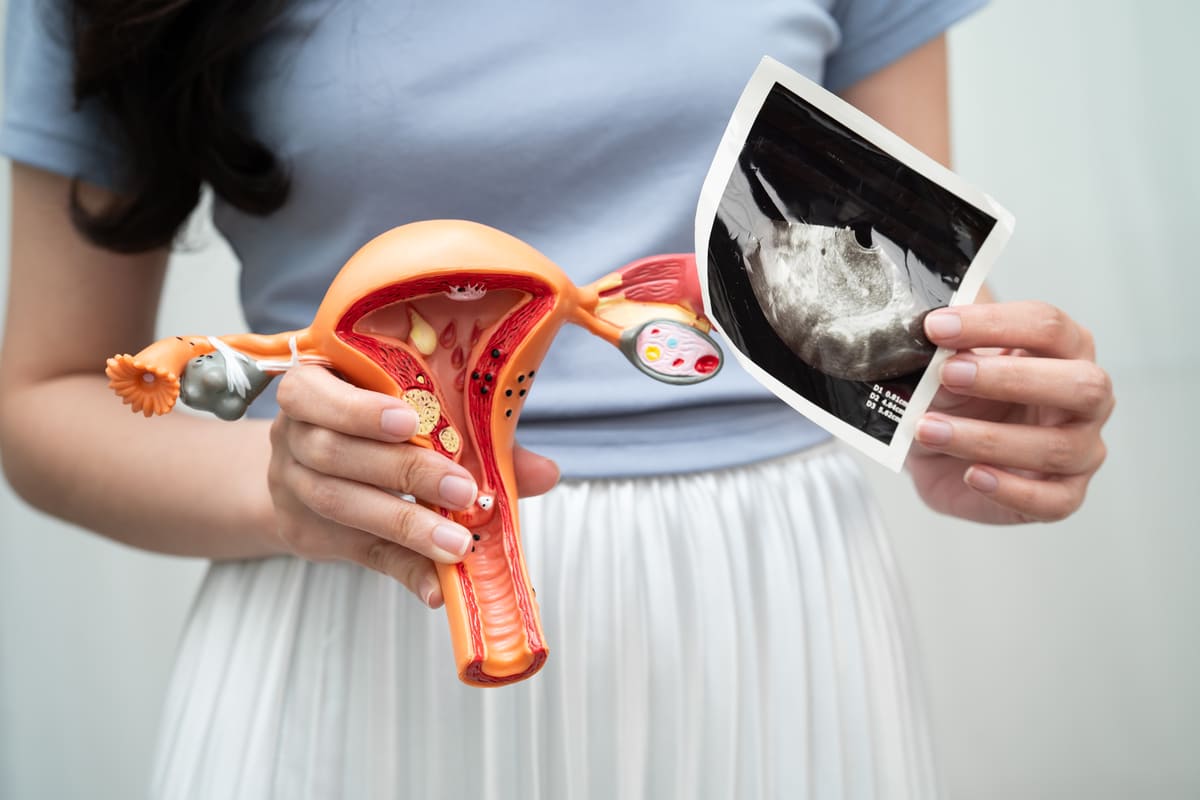
Fibroids are growths that form in or on the wall of the uterus, and they range in size from tiny seedlings to large masses. Many people have fibroids without knowing it, since these growths often cause no symptoms at all. When you learn you have fibroids during pregnancy, you can get clear facts about what to expect. Here is more information about this condition and what you can do about it:
Noncancerous Growths
Fibroids are noncancerous, which means they do not spread to other parts of your body. Most stay small, but some grow larger as hormone levels shift during pregnancy. Your doctor tracks their size with an ultrasound to watch for changes over time.
Hormones like estrogen and progesterone fuel fibroid growth. Pregnancy raises both hormones, and that rise sometimes makes existing fibroids expand. When a fibroid grows quickly, it may outpace its blood supply and start to break down.
Pregnancy-related Complications
Most pregnancies with fibroids proceed without serious problems. Still, certain complications can occur when these growths are large or positioned near the placenta. Your care team monitors you closely so they catch any issues early.
Fibroids may raise the chance of specific outcomes, and your doctor watches for these signs. Typical pregnancy-related concerns linked to fibroids include:
- Potential breech position, where the baby faces feet-first
- Placental abruption, when the placenta separates early
- Preterm labor before expected
- Higher likelihood of cesarean delivery
The location of a fibroid matters as much as its size. A growth near the cervix sometimes blocks the birth canal, so your provider plans your delivery around it. When that happens, a cesarean section often becomes the safer route.
Pelvic Pain
Pelvic pain is a typical symptom that fibroids cause during pregnancy. The discomfort often appears when a fibroid degenerates, and the pain may last several days. You might feel pressure low in your abdomen, especially as your uterus stretches.
Conservative and Surgical Options
Doctors typically take a conservative approach to fibroids during pregnancy. They avoid surgery in most cases because operating on the uterus raises risks for you and your baby. Instead, your provider treats symptoms like pain and watches the fibroid through routine scans.
Surgery during pregnancy remains rare and happens only in select situations. Your care team weighs the options carefully, and they discuss the risks with you before acting. Treatment choices may include:
- Rest and hydration to ease degeneration pain
- Pregnancy-safe pain medication approved by your doctor
- Close monitoring with ultrasound
- Surgical removal after delivery, if needed
Many doctors recommend waiting until after birth to remove fibroids. A procedure called myomectomy takes out fibroids while leaving the uterus intact. When you finish your pregnancy, your provider revisits your options and builds a plan that fits your goals.
Get Treated for Fibroids
Fibroids during pregnancy may stay manageable with careful monitoring and symptom care. Track your symptoms and report any new pain or bleeding to your provider right away, and the right plan depends on your fibroid size, location, and stage of pregnancy. Talk with your doctor about your specific situation, since they tailor care to your needs. Schedule an appointment today to discuss your fibroids and map out the next steps for a healthy pregnancy.
