


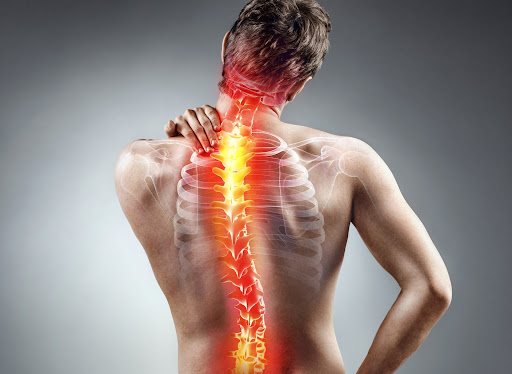
Spine pain is a prevalent condition that can interfere with mobility, daily activities, and overall quality of life. While it is often associated with muscle strain or poor posture, spine pain may also result from a variety of underlying medical conditions affecting the vertebrae and discs, together with the nerves and surrounding structures. Identifying the specific causes of spine pain is key to accurate diagnosis and effective treatment planning.
Degenerative Conditions Affecting the Spine
As people age, their bodies naturally change, and these changes can impact mobility and cause spine pain. Degenerative conditions often develop slowly over time. Common conditions include osteoarthritis and spinal stenosis. Osteoarthritis occurs when joint cartilage gradually wears away. This lack of cushioning creates friction between bones, which leads to stiffness and pain.
Managing these issues requires a tailored, comprehensive approach. Doctors often recommend physical therapy and gentle exercise, and they might also suggest lifestyle modifications to maintain your mobility. Exploring productive strategies will support your joint health, and making mindful choices about daily activity is key. While resting can provide temporary relief, the underlying structural issue always requires professional evaluation.
Disc-Related Disorders and Nerve Compression
Your spinal discs act as shock absorbers between your vertebrae. Each disc has a tough outer layer and a soft, jelly-like center for flexibility. When these discs wear excessively, disorders can develop, leading to serious discomfort. A bulging disc occurs when the outer layer of the disc bulges outward, sometimes pressing on nearby nerves. A herniated disc is more severe as it occurs when the soft inner material bulges through the tough outer layer.
Addressing disc disorders means finding the exact nerve compression point. Specialists use imaging tools to visualize the affected spinal segments and then develop effective management plans. These plans focus on reducing pressure while restoring normal function.
Muscle and Ligament Strain
The muscles and ligaments around your spine provide significant support. When you overstretch or tear these tissues, spinal strain sometimes follow. Heavy lifting with poor form often causes these painful lower back injuries, so you should always factor in your lifting technique. Repetitive movements also lead to muscle fatigue and chronic soreness, which are common issues for people in physically demanding jobs.
Recovery from a strain involves rest and careful movement. You can restore flexibility through gentle stretching, which also helps prevent your muscles from becoming too stiff. As your back pain subsides, you should gradually increase your activity level. Building core strength provides an excellent defense against future soft tissue injuries, so it is a necessary step in your recovery.
Spine Injuries and Trauma
Accidents and physical trauma can cause immediate, severe spine pain. Events such as car collisions, sports injuries, and falls can fracture vertebrae or damage supporting tissues, so prompt evaluation is key. These injuries can compromise your entire spinal structure. One common injury is whiplash, which affects the neck when your head snaps backward and forward. The resulting discomfort often limits your range of motion, and whiplash symptoms may not appear for several days.
Recovering from spinal trauma requires a structured rehabilitation program, and patients work with professionals to restore strength and mobility. Every recovery timeline is different because it depends on the severity of the initial impact. Staying consistent with your physical therapy exercises is necessary. While you recover, this consistency supports your progress and helps you regain function.
Schedule Your Spine Pain Consultation
Understanding the various conditions that cause spine pain empowers you to take informed action regarding your physical health. From muscle strains to degenerative changes, many different factors contribute to your daily spinal discomfort. If you feel persistent spine pain, book a consultation with a specialist near you for a comprehensive evaluation and a personalized treatment plan to restore your spinal health. This productive step will help you reclaim your active lifestyle.
